
Psyllium Husk
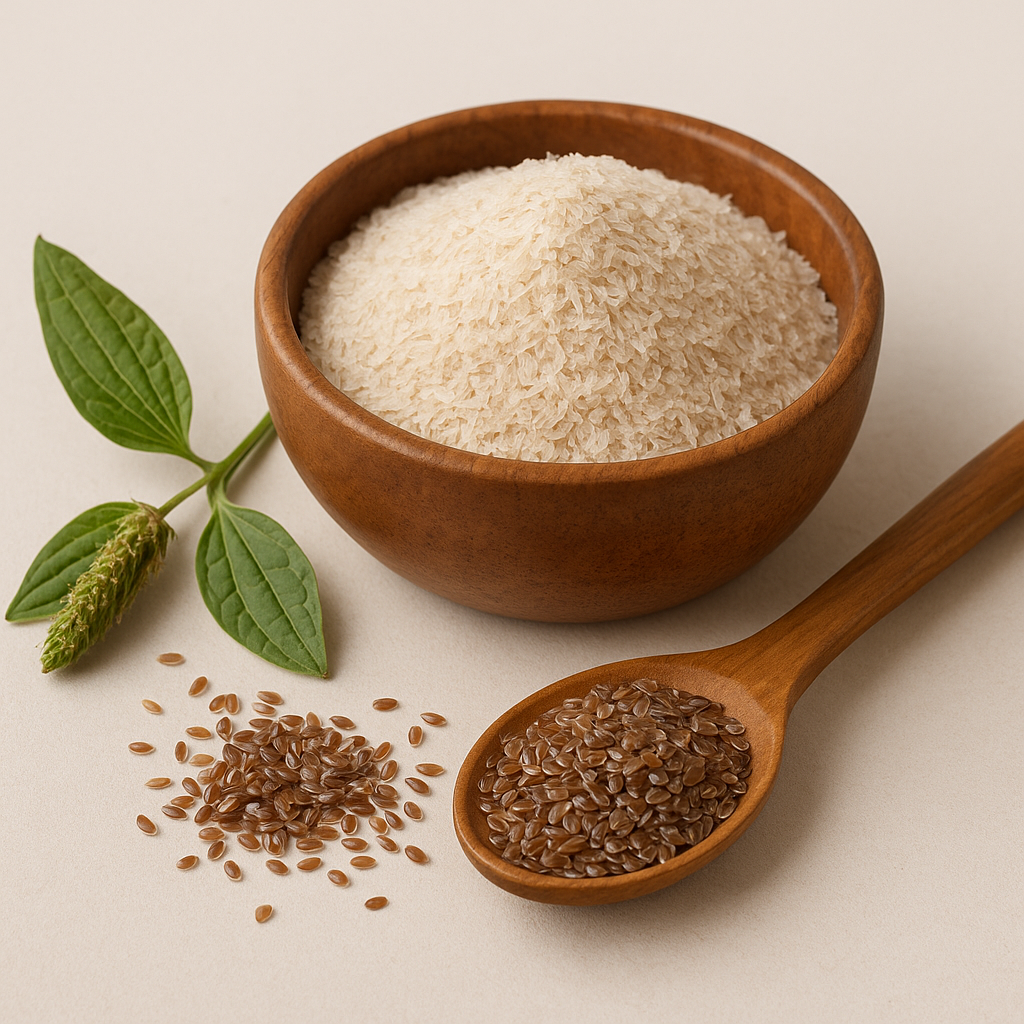
Psyllium Husk
Psyllium husk, derived from the seeds of the plant Plantago ovata, is a highly effective form of soluble fiber known for its ability to form a gel-like substance when mixed with water. This property makes it an exceptionally versatile supplement that is effective for both constipation and diarrhea, while also offering significant cardiovascular and metabolic benefits. Unlike many other fibers, psyllium is non-fermentable, meaning it passes through the gut largely intact and is therefore less likely to cause gas and bloating than fermentable fibers [1].
Due to overwhelming evidence of its cholesterol-lowering effects, the U.S. Food and Drug Administration (FDA) has authorized health claims for foods containing psyllium husk, recognizing its role in reducing the risk of coronary heart disease [2].
Chemical Composition and Key Bioactive Roles
The effectiveness of psyllium husk stems from its unique physical properties as a viscous, gel-forming fiber.
| Role | Description |
|---|---|
| Stool Regulation (Laxative and Anti-Diarrheal) | Psyllium husk absorbs water in the intestines to soften and bulk up stool, making it easier to pass in cases of constipation. In diarrhea, it binds excess fluid to firm up stool and reduce the frequency of bowel movements [1]. |
| Cholesterol Reduction (Bile Acid Binding) | The primary mechanism for cholesterol lowering is the binding of bile acids in the intestine. The gel traps bile acids and prevents their reabsorption, causing them to be excreted in the stool. This forces the liver to pull more cholesterol from the blood to produce new bile acids, thereby lowering LDL cholesterol levels [2]. |
| Blood Sugar Control | The thick gel formed by psyllium slows gastric emptying and the digestion of carbohydrates. This results in a slower and lower rise in blood glucose levels after meals, which is particularly beneficial for individuals with type 2 diabetes [1]. |
Health Benefits
Psyllium husk is one of the most well-researched fiber supplements, with strong evidence supporting its efficacy in digestive and metabolic health.
- Cholesterol Reduction: A landmark meta-analysis of 8 controlled trials published in the American Journal of Clinical Nutrition found that consuming 10.2 grams of psyllium daily in addition to a low-fat diet significantly lowered cholesterol levels:
- 4% reduction in total cholesterol
- 7% reduction in LDL cholesterol (“bad” cholesterol)
- 6% reduction in the apolipoprotein B to apolipoprotein A-I ratio
These effects are clinically meaningful enough to reduce cardiovascular disease risk [2].
- Digestive Health: Psyllium husk is highly effective at normalizing bowel function. It acts as a gentle laxative that can help with chronic constipation by adding water to stool. At the same time, it is effective in treating diarrhea by absorbing excess fluid and firming up stool [1].
- Blood Sugar Control: Due to its gel-forming properties, psyllium can improve glycemic control. It slows the absorption of sugar from the intestine and helps prevent blood sugar spikes after meals. This makes it a useful adjunct for individuals with type 2 diabetes or prediabetes [1].
- Weight Management: Although sometimes called “poor man’s Ozempic,” its effect on weight loss is modest. By promoting feelings of fullness and slowing gastric emptying, it can help with appetite control. However, weight loss effects are significantly smaller than prescription medications like Ozempic and are most notable in individuals with a BMI over 30 [1].
Evidence-Based Dosage
Dosage should be increased gradually to minimize side effects.
- General Use: 5–10 grams of psyllium husk, one to three times daily. Start with a smaller dose (e.g., 1 teaspoon) and gradually increase [1].
- Cholesterol Reduction: The clinical standard dose proven effective in the meta-analysis is 10.2 grams per day, typically divided into two or three doses [2].
- IMPORTANT: Psyllium husk must always be taken with adequate fluid (at least 240 mL of water or more per dose) to prevent choking or bowel obstruction [1].
Safety Profile
Psyllium husk is safe for most people when taken properly, but there are important precautions.
- Fluid Intake: Inadequate fluid intake when taking psyllium can lead to constipation, bloating, or in severe cases, bowel obstruction or choking. It is critical to mix each dose with a full glass of water and drink plenty of fluids throughout the day [1].
- Side Effects: Initial side effects may include gas, bloating, and cramping as the gut adjusts to increased fiber intake. These symptoms typically subside as the body adapts [1].
- Drug Interactions: Psyllium can slow the absorption of medications and reduce their effectiveness. Take psyllium at least two hours before or after taking prescription medications [1].
- Contraindications: Individuals with difficulty swallowing, narrowing of the digestive tract, or kidney disease should consult a physician before using psyllium husk [1].
Scientific References
- WebMD. (2025, July 28). How to Take Psyllium Husk: Simple Guide for Beginners. Retrieved from https://www.webmd.com/digestive-disorders/psyllium-husk-use
- Anderson, J. W., et al. (2000). Cholesterol-lowering effects of psyllium intake adjunctive to diet therapy in men and women with hypercholesterolemia: meta-analysis of 8 controlled trials. The American Journal of Clinical Nutrition, 71(2), 472–479. https://ajcn.nutrition.org/article/S0002-9165(23)07010-7/fulltext
Category: Fiber
