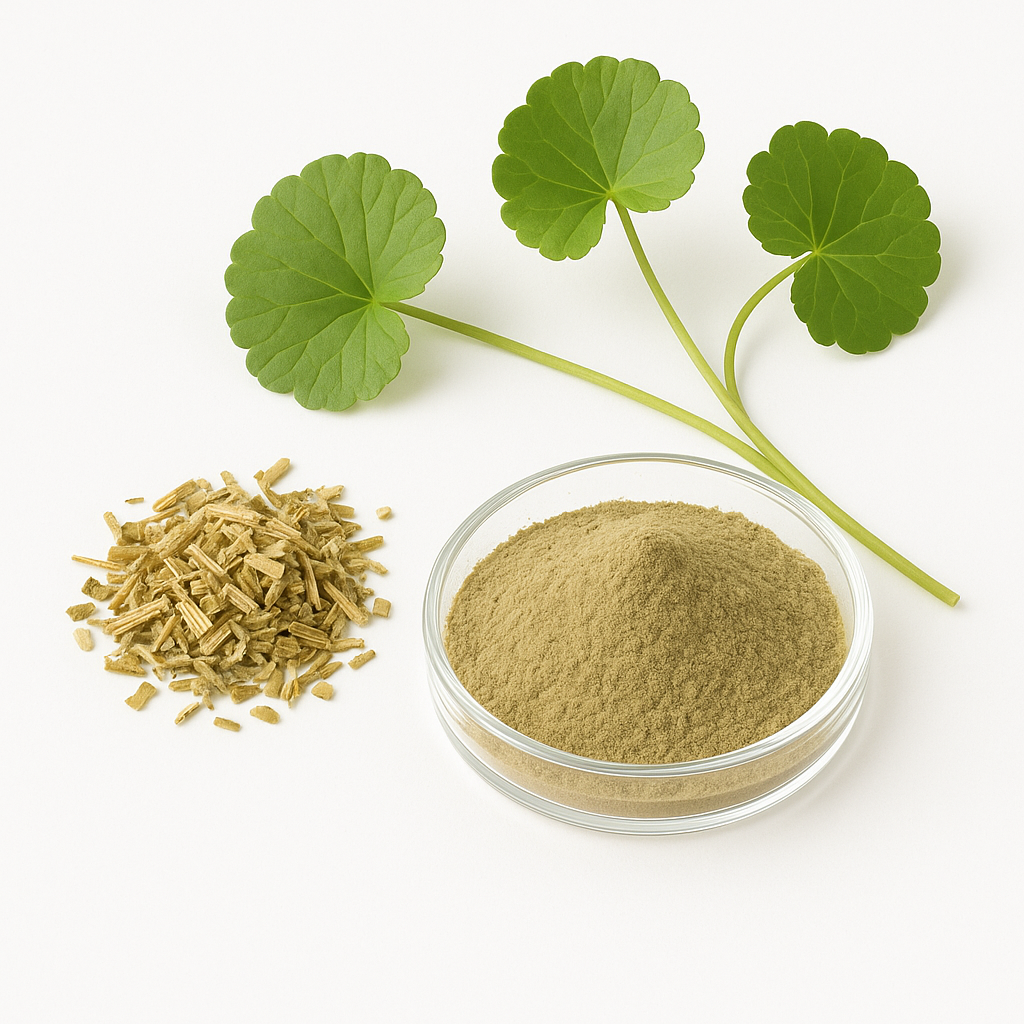
Hawthorn (Crataegus spp.)
Hawthorn, derived from the genus Crataegus, is a group of shrubs and trees belonging to the Rosaceae family. The most commonly studied species in Europe and North America are Crataegus monogyna and Crataegus laevigata, while Crataegus pinnatifida is primarily used in traditional Chinese medicine [1]. The berries, leaves, and flowers of the plant have been used for centuries as a traditional medicine, particularly for cardiovascular ailments [1].
Botanical Basics: The plant parts are rich in various phytochemicals, with the leaves and flowers generally containing higher concentrations of the active compounds than the berries.
Mechanism of Action: The therapeutic effects of Hawthorn are largely attributed to its potent antioxidant and vasodilatory properties. The key mechanisms of action are multifaceted, primarily involving its active compounds such as flavonoids and oligomeric proanthocyanidins (OPCs) [1]. These mechanisms include:
- Positive Inotropic Effect: Hawthorn is believed to strengthen the heart’s contraction force, leading to improved cardiac output.
- Vasodilation: It promotes the relaxation and widening of blood vessels, which reduces peripheral resistance and lowers blood pressure.
- Anti-oxidative and Anti-inflammatory Effects: Its high antioxidant content helps scavenge free radicals and reduce systemic inflammation, protecting the cardiovascular system from oxidative stress and endothelial damage [1].
- Lipid-Lowering and Vascular Endothelial Protection: It has been shown to possess serum lipid-lowering capabilities and provides protective effects to the vascular endothelium, which is crucial in preventing atherosclerosis [1].
2. Chemical Composition/Key Bioactive Roles
The therapeutic efficacy of Hawthorn is primarily due to its complex mixture of polyphenolic compounds. The main active constituents are flavonoids and oligomeric proanthocyanidins (OPCs).
| Compound Class | Key Bioactive Compounds | Role |
|---|---|---|
| Flavonoids | Hyperoside, Vitexin, Rutin, Quercetin | Antioxidant activity, vasodilation, anti-inflammatory effects [1] |
| Oligomeric Proanthocyanidins (OPCs) | Catechins, Epicatechins, Procyanidins | Cardioprotective effects, positive inotropic action, free radical scavenging [1] |
| Phenolic Acids | Chlorogenic acid, Caffeic acid | Antioxidant and anti-inflammatory properties [1] |
| Triterpenoids | Ursolic acid, Oleanolic acid | Cardiotonic effects (less studied than flavonoids/OPCs) [1] |
3. Health Benefits
Hawthorn has been extensively studied for its benefits on the cardiovascular system, with the strongest evidence supporting its use as an adjunctive treatment for chronic heart failure (CHF).
Chronic Heart Failure (CHF)
Multiple randomized trials and meta-analyses have investigated Hawthorn extract for patients with New York Heart Association (NYHA) class I, II, and III heart failure [2, 3].
- Improved Cardiac Function: Studies suggest that Hawthorn extract, particularly standardized extracts like WS® 1442, can significantly improve heart function, reduce symptoms such as shortness of breath and fatigue, and increase exercise tolerance when used alongside conventional medical therapy [3].
- Meta-analysis Findings: A meta-analysis of randomized trials concluded that Hawthorn extract provides a significant benefit as an adjunctive treatment for chronic heart failure [3].
Other Potential Cardiovascular Benefits
- Antiarrhythmic Effects: Hawthorn has demonstrated antiarrhythmic properties, which may help stabilize heart rhythm [1].
- Blood Pressure Regulation: Due to its vasodilatory effects, Hawthorn may contribute to lowering blood pressure, particularly in individuals with mild hypertension [1].
4. Dosage and Usage
There is no universally established safe dosage for Hawthorn, as recommendations vary based on the specific extract, standardization, and the condition being treated. However, clinical trials provide a basis for therapeutic dosing.
Recommended Dosages (Based on Clinical Trials):
- Standardized Extract (e.g., WS® 1442): Doses of 900 mg per day (often divided into two 450 mg doses) of a standardized extract (typically containing 20% oligomeric procyanidins) have been widely used and found to be safe and effective in clinical trials for chronic heart failure [2].
- Total Daily Intake: Doses up to 1800 mg daily have been used safely for up to 16 weeks [4].
- Form: Hawthorn is most commonly consumed as a standardized extract in tablet or capsule form.
Food Sources: Hawthorn berries are edible and can be consumed fresh, dried, or used to make jams, jellies, teas, and wines. However, the concentration of active compounds in whole foods is typically lower and less standardized than in medicinal extracts.
5. Safety and Precautions
Hawthorn is generally well-tolerated at therapeutic dosages, with side effects typically being mild and transient.
Side Effects:
The most common side effects reported include [5]:
- Dizziness or Vertigo
- Nausea and Vomiting
- Gastrointestinal discomfort (e.g., diarrhea)
- Headache
- Mild rash or skin irritation
- Sleepiness or agitation
Contraindications and Warnings:
- Pregnancy and Breastfeeding: WARNING: Hawthorn should not be used by pregnant or breastfeeding women due to a lack of sufficient safety data [4].
- Angina: Hawthorn is not a treatment for acute chest pain (angina attack) and should not be used as a substitute for prescribed angina medications [4].
- Surgery: Discontinue use at least 2 weeks before scheduled surgery as it may affect blood pressure and heart rate.
Drug Interactions:
Hawthorn may interact with several classes of medications, primarily those affecting the cardiovascular system.
| Drug Class | Interaction Type | Detail |
|---|---|---|
| Cardiac Glycosides (e.g., Digoxin) | Moderate | Hawthorn may potentiate the effects of cardiac glycosides, increasing the risk of toxicity. Close monitoring is required [5]. |
| Blood Pressure Medications | Moderate | Hawthorn has a hypotensive effect and may enhance the effects of anti-hypertensive drugs, potentially leading to excessive drops in blood pressure (hypotension) [5]. |
| Nitrates/Vasodilators | Moderate | Taking Hawthorn with medications that increase blood flow to the heart (e.g., nitrates, ED drugs like sildenafil) might increase the chance of dizziness and lightheadedness [4]. |