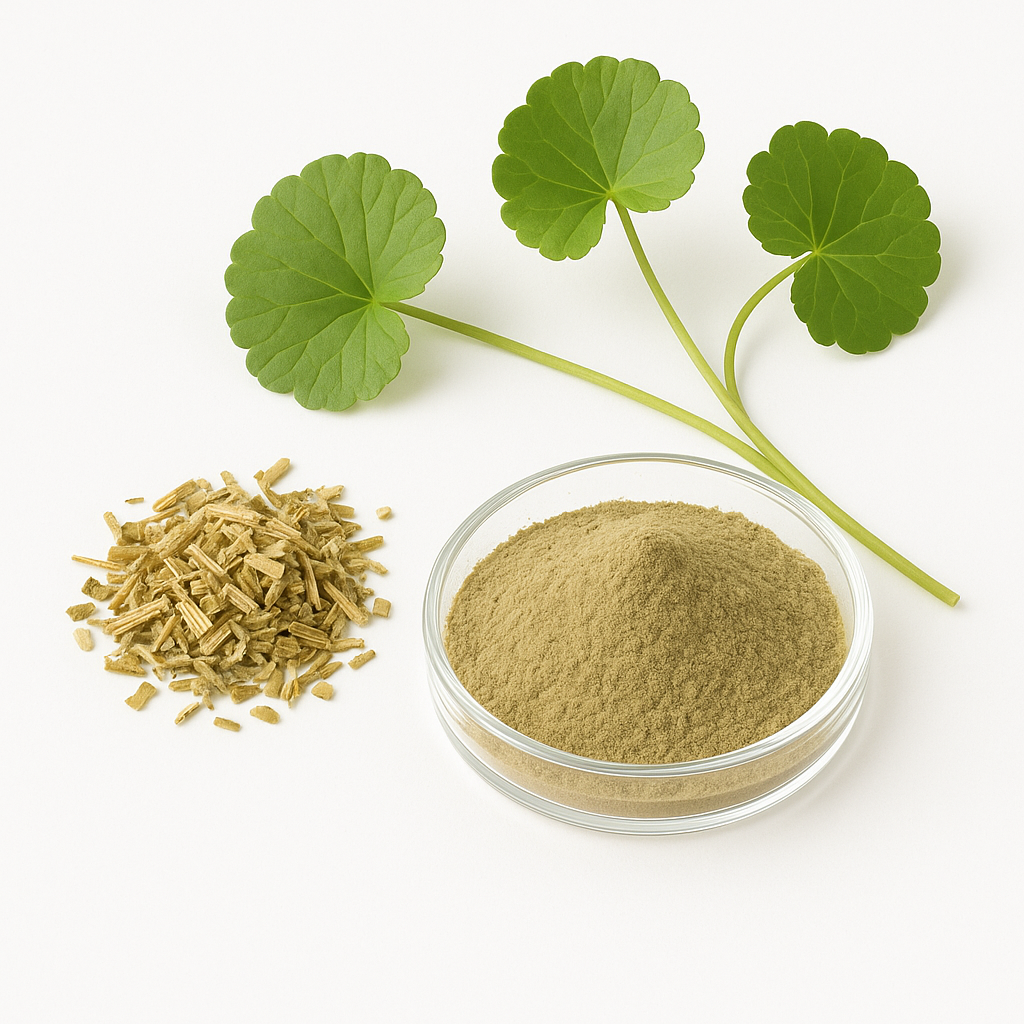
Green Tea Extract (EGCG)
Green Tea Extract (GTE) is a concentrated form of green tea, derived from the leaves of the Camellia sinensis plant. The primary and most studied bioactive compound in GTE is Epigallocatechin-3-gallate (EGCG), a type of polyphenol belonging to the catechin family [1]. EGCG is the most abundant catechin in green tea and is responsible for the majority of its purported health benefits [2].
Mechanism of Action
EGCG exerts its therapeutic effects primarily through its powerful antioxidant and anti-inflammatory properties [2].
- Antioxidant Activity: EGCG is a potent free radical scavenger, which helps to neutralize reactive oxygen species (ROS) and reduce oxidative stress. Oxidative stress is implicated in the pathogenesis of numerous chronic diseases, including cardiovascular, metabolic, and neurodegenerative disorders [2].
- Anti-inflammatory Effects: EGCG modulates various inflammatory signaling pathways. It can suppress the activity of pro-inflammatory chemicals, such as TNF-alpha, and interfere with the activation of nuclear factor-kappa B (NF-κB), a key regulator of the inflammatory response [2].
- Molecular Modulation: Beyond its antioxidant and anti-inflammatory roles, EGCG interacts with cell surface receptors, intracellular signaling pathways, and nuclear transcription factors, allowing it to influence processes such as cell proliferation, apoptosis (programmed cell death), and tissue protection [2].
2. Chemical Composition/Key Bioactive Roles
Green tea contains a complex mixture of bioactive compounds, with catechins being the most significant group of polyphenols. EGCG is the most abundant and biologically active catechin.
| Compound | Class | Role |
|---|---|---|
| Epigallocatechin-3-gallate (EGCG) | Catechin/Polyphenol | Most abundant and potent antioxidant; anti-inflammatory, cardioprotective, and antitumor properties [2] |
| Epigallocatechin (EGC) | Catechin/Polyphenol | Antioxidant and anti-inflammatory properties [3] |
| Epicatechin-3-gallate (ECG) | Catechin/Polyphenol | Antioxidant and anti-inflammatory properties [3] |
| Epicatechin (EC) | Catechin/Polyphenol | Antioxidant and anti-inflammatory properties [3] |
| Caffeine | Alkaloid | Central nervous system stimulant; synergistic effects with catechins in metabolism [3] |
3. Health Benefits
The health benefits of Green Tea Extract and EGCG are extensively researched, primarily due to their effects on inflammation and oxidative stress.
Cardiovascular Health
EGCG has been shown to support heart health by improving several cardiovascular risk factors. A systematic review and meta-analysis of clinical trials concluded that green tea consumption significantly helps to lower total cholesterol and low-density lipoprotein (LDL) cholesterol [4]. Furthermore, EGCG may help reduce blood pressure and inhibit the accumulation of plaque in blood vessels [1].
Metabolic and Weight Management
EGCG is widely studied for its role in metabolism and weight management. It is believed to enhance fat oxidation and thermogenesis. Clinical studies investigating EGCG for obesity and non-alcoholic fatty liver disease (NAFLD) have demonstrated its potential to aid in weight loss and improve metabolic markers [5].
Neuroprotection
EGCG exhibits neuroprotective effects, which may be beneficial in neurodegenerative disorders. Its ability to scavenge free radicals and reduce inflammation in the central nervous system contributes to its potential to protect neuronal cells from damage [2].
Anticancer Potential
Numerous preclinical studies have investigated EGCG’s potential to inhibit cancer cell growth and induce apoptosis in various cancer types. EGCG can trigger cell growth arrest pathways and modulate signaling pathways involved in tumor progression [2].
4. Dosage and Usage
Dosage
Dosages of EGCG in clinical studies vary widely depending on the condition being studied, ranging from 150 mg to 900 mg per day [5].
- General Supplementation: A common and generally well-tolerated dose is 400 mg to 500 mg of EGCG per day [6].
- Safety Threshold: The European Food Safety Authority (EFSA) and other regulatory bodies have noted that EGCG doses above 800 mg per day may be associated with an increased risk of liver damage [7]. An Observed Safe Level (OSL) for EGCG from green tea preparations has been suggested to be around 338 mg EGCG/day for solid bolus doses [8].
Food Sources
EGCG is naturally present in green tea. The concentration can vary significantly based on the type of tea, brewing time, and water temperature. One cup (240 ml) of brewed green tea typically provides approximately 50–100 mg of EGCG [1].
5. Safety and Precautions
While moderate consumption of green tea is safe, high-dose Green Tea Extract supplements, particularly those containing high concentrations of EGCG, carry significant safety warnings.
Serious Safety Warning: Hepatotoxicity (Liver Damage)
High-dose EGCG supplements have been associated with rare but serious cases of acute liver injury and hepatotoxicity in humans [7, 9]. The risk of liver damage is generally linked to doses exceeding 800 mg of EGCG per day, especially when consumed on an empty stomach or during periods of dietary restriction [7, 10]. Consumers should be advised to:
- Do not exceed the recommended dose.
- Avoid taking GTE supplements on an empty stomach.
- Discontinue use and consult a physician if symptoms of liver problems (e.g., dark urine, jaundice, abdominal pain) occur.
Side Effects
Common side effects, especially with high doses, can include:
- Nausea and stomach upset
- Constipation
- Dizziness
- Low blood sugar (hypoglycemia)
- Anemia [1]
Contraindications and Drug Interactions
EGCG can interfere with the absorption and metabolism of certain medications and is contraindicated in specific populations.
- Pregnancy and Breastfeeding: EGCG can interfere with the metabolism of folate, a B vitamin essential for fetal development. EGCG supplements should be avoided during pregnancy and breastfeeding [1].
- Drug Interactions: Green tea and EGCG can interact with several classes of drugs, potentially reducing their efficacy or increasing side effects:
- Blood Thinners (Anticoagulants/Antiplatelets): Green tea may slow blood clotting, increasing the risk of bruising and bleeding when taken with drugs like warfarin [11].
- Statins (Cholesterol-lowering drugs): EGCG may interfere with the absorption of certain statins [11].
- Certain Blood Pressure Medications: Interactions have been reported with some antihypertensive drugs [11].
- Bortezomib: EGCG has been shown to reduce the effectiveness of the cancer drug bortezomib [12].
Always consult a healthcare professional before taking EGCG supplements, especially if you are taking prescription medications or have a pre-existing liver condition.